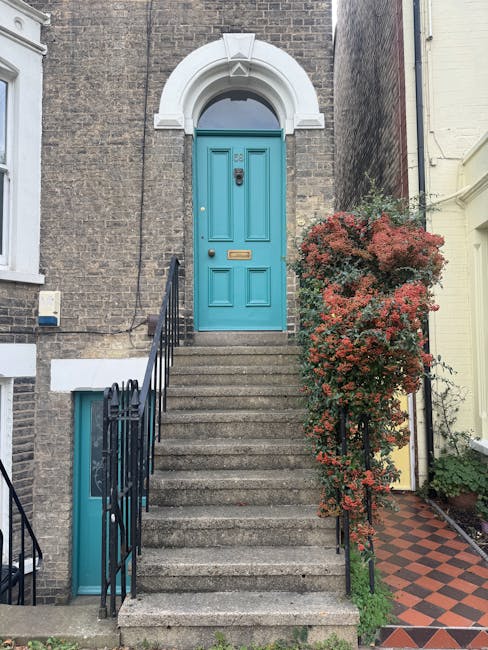
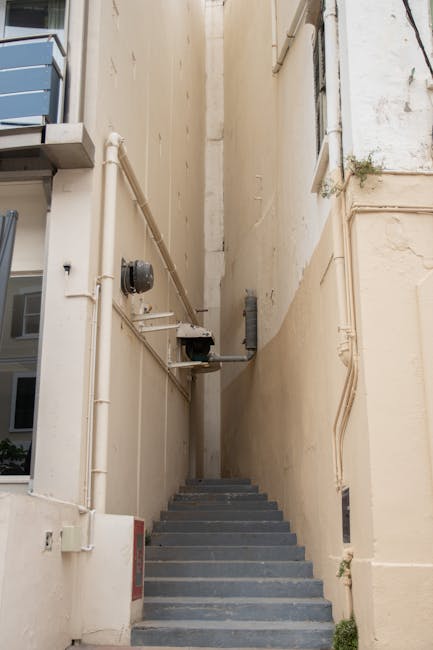
Kennington Road Narrow Access Removals Advice for Tight Stairs
Moving on or near Kennington Road can feel straightforward on paper and then, suddenly, you are staring at a narrow hallway, a turn at the top of the stairs, and a wardrobe that looks one inch too wide. That is exactly where Kennington Road narrow access removals advice for tight stairs becomes useful. Not glamorous, perhaps, but very real. And if you are dealing with a top-floor flat, a compact terrace, or an older building with awkward stair angles, the right plan can save time, stress, and a fair bit of swearing under your breath.
In this guide, we break down what matters, how the process works, what to do before moving day, and how to reduce risk when access is limited. You will also find a practical checklist, a comparison table, and a realistic example of how tight-stair removals are handled in London. If you are comparing services, it may also help to look at the wider removal services overview and the area-specific support for removal services in Kennington.
Truth be told, tight stairs are less about brute force and more about planning. The movers who handle them well are usually the ones asking the awkward questions early: ceiling height, staircase width, bannister removal, parking distance, and whether the sofa can actually make the turn without a minor architectural redesign. Let's get into it properly.
Table of Contents
- Why Kennington Road narrow access removals advice for tight stairs Matters
- How Kennington Road narrow access removals advice for tight stairs Works
- Key Benefits and Practical Advantages
- Who This Is For and When It Makes Sense
- Step-by-Step Guidance
- Expert Tips for Better Results
- Common Mistakes to Avoid
- Tools, Resources and Recommendations
- Law, Compliance, Standards, or Best Practice
- Options, Methods, or Comparison Table
- Case Study or Real-World Example
- Practical Checklist
- Conclusion
- Frequently Asked Questions
Why Kennington Road narrow access removals advice for tight stairs Matters
Narrow access affects almost every part of a move: what vehicle you can use, how long loading takes, how many crew members are sensible, and whether large items need to be dismantled before anything starts. On Kennington Road and the surrounding streets, the challenge is often not distance. It is geometry. Old buildings, tight stairwells, awkward landings, and shared entrances can make a simple relocation surprisingly fiddly.
When access is tight, rushed decision-making is where damage happens. Furniture gets chipped. Walls get marked. Carrying becomes unsafe. Someone says, "It should fit," which is usually the last confident sentence before the measuring tape appears. A proper narrow-access plan reduces all of that.
This matters even more in London because many homes combine small internal spaces with limited parking and active streets. You might only have a short kerbside stop, or need to carry items a longer distance from the van. If your move also involves a flat, you may find the guidance on flat removals in London especially helpful, while the broader home removals service gives a sense of how different property types are handled.
There is also a trust angle here. A mover who understands narrow access is not just moving boxes; they are planning around your property, your neighbours, and the practical constraints of the street. That is a different skill from simply turning up with a van. To be fair, that difference is exactly what makes the move go smoothly.
How Kennington Road narrow access removals advice for tight stairs Works
The process starts before moving day. Good planning begins with an access assessment, which is just a careful look at the route from property to vehicle and back again. The aim is simple: identify any item that will not safely fit through the stairwell, corners, hallway, or front door in one piece.
In practice, the mover or surveyor will usually ask for:
- staircase width at the narrowest point
- landing sizes and turn angles
- door frame measurements
- parking distance from the property
- whether there are lifts, shared corridors, or obstructions
- the size and weight of larger furniture
- any items that can be dismantled
Once the access picture is clear, the move is planned around the most challenging item, not the easiest one. That is the trick. If the sofa cannot make the bend, the whole schedule should not be built as if it can. A better plan might involve dismantling, extra padding, a specialist carrying technique, or in some cases a different route altogether.
For example, a two-person crew may be enough for boxed belongings and smaller furniture, but a piano, large wardrobe, or bulky sofa can require more hands, moving straps, or a specialist service. If musical instruments are involved, it is worth looking at piano removals in London, because those items are a category of their own. A piano is not just heavy; it is awkward, delicate, and deeply unamused by stairwells.
Many households also choose to split the move into stages. Storage, for instance, can take pressure off a tight-access day, especially if you are waiting for a completion date or moving into a property that is not fully ready. In those cases, storage in Kennington can be a practical bridge rather than a last resort.
Key Benefits and Practical Advantages
Handled well, narrow access removals are not just about avoiding problems. They can actually make the whole move cleaner and calmer.
- Less risk of damage: Careful planning reduces bumps, scrapes, and crushed corners.
- Safer lifting: The crew can use the right technique and avoid forced carries on tight turns.
- More accurate scheduling: When access is assessed early, there are fewer delays on moving day.
- Better protection for shared spaces: Hallways, stairs, and door frames are easier to protect in advance.
- Lower stress for you: There is a real difference between a move that is guessed at and one that is planned.
There is also a subtle but important benefit: better communication. When you know a mover has understood the access constraints, you tend to make smarter decisions too. You may clear the hallway sooner, remove lamp shades, or take apart a bed frame the night before instead of discovering it the hard way at 8:30 in the morning.
And yes, that sounds obvious. Still, obvious things are often the things people forget when they are mid-pack and living on tea and masking tape.
If you are comparing providers, browsing removals in Kennington can help you understand how a local team might structure a move around awkward access rather than forcing a one-size-fits-all approach.
Who This Is For and When It Makes Sense
This kind of advice is most useful if you live in a property where stairs are not generous. That includes top-floor flats, maisonettes, converted Victorian homes, purpose-built blocks with tight internal routes, and older terraced houses where the stair angle was clearly designed for a different century.
It is especially relevant if you:
- own bulky furniture or awkwardly shaped items
- live on an upper floor without a lift
- have limited roadside parking or loading space
- are moving on a strict time window
- have fragile antiques, mirrors, or artwork
- need a same-day move or quick turnaround
Students and renters often underestimate this. A bed frame can be surprisingly manageable, but a mattress, desk, and wardrobe with fixed panels can create a real bottleneck. That is why student removals in London are not just about small loads; they are about making small loads fit through a difficult route.
It also makes sense for local businesses or home workers moving equipment, especially if they are shifting desks, filing units, or office chairs through narrow communal access. In that case, office removals in London can be a more suitable model than a casual van hire.
And if you are only moving one or two items, a smaller vehicle and a flexible crew may be the best fit. Something like man and van in Kennington or removal van hire in Kennington can be enough when the access issue is manageable but the job still needs a professional touch.
Step-by-Step Guidance
Here is the practical sequence that works best for tight-stair moves.
- Measure the route. Check door widths, stair width, landing depth, and any awkward corners. Do not guess. Guessing is where wardrobes start losing arguments with stair rails.
- Identify the largest item first. Work out what is tallest, widest, heaviest, or hardest to pivot. That item sets the rules for the rest of the move.
- Decide what can be dismantled. Beds, table legs, shelving, and some wardrobes are often easier to move in parts. Keep screws and fixings in labelled bags.
- Book the right team size. Tight access can require extra people for safe lifting and controlling turns. One extra pair of hands can make a big difference.
- Protect the property. Use covers for floors, bannisters, and door frames. In shared buildings, this is not optional in spirit, even if it is not always formally required.
- Plan the loading point. Consider where the van will park, how far items need to be carried, and whether parking permission or timing restrictions apply.
- Prepare the route inside. Clear coats, shoes, plants, cable clutter, and anything else that narrows the passage. A clean route makes the whole job faster.
- Handle fragile items separately. Mirrors, glass tops, televisions, and framed art should be padded and carried with deliberate pacing.
- Test the awkward pieces early. If something looks tight, do not leave it until the end of the day when everyone is tired. That is when mistakes happen.
- Keep a backup plan. If a piece will not fit, know whether it will be dismantled further, stored, or left for a later collection.
A good mover will think in sequences, not just loads. That is the difference between a smooth staircase carry and a very long afternoon.
Expert Tips for Better Results
Here are the little things that tend to make a proper difference on difficult access jobs.
- Measure diagonally, not just straight across. Some items can be angled through spaces that look too small at first glance.
- Remove lamps, shelves, and mirrors in advance. These are the items that often get forgotten because they look light and harmless.
- Use furniture blankets early. Do not wait until an item is halfway down the stairs and clipped against the wall.
- Label the "hard move" items. Let the crew know which pieces are likely to need extra attention.
- Keep children and pets out of the route. It sounds obvious, but on a busy morning it needs saying.
- Take photos of tight corners. A quick phone picture can help the team visualise the route before arrival.
One small but useful habit: place the items you are most worried about near the exit the day before. You will feel calmer at 7:00 the next morning, and yes, the kettle will taste better for it.
It also helps to choose a mover who is upfront about limits. If a company says every item will definitely fit without seeing the access, that is not confidence; that is a bit too much confidence. A careful team will explain alternatives honestly.
For broader moving preparation, the guidance on packing and boxes in London is useful too, because tight access and poor packing tend to make each other worse. A badly packed box on a narrow staircase is nobody's idea of a good afternoon.
Common Mistakes to Avoid
Most problems with tight-stair removals come from a handful of avoidable mistakes.
- Not measuring properly: People often measure the room and forget the staircase bend.
- Leaving dismantling too late: If a bed frame or wardrobe needs to come apart, decide that before moving day.
- Underestimating parking: A short carry from the van is much easier than a long one through a busy road or side street.
- Ignoring communal access rules: Flat blocks may have booking windows, lift reservations, or protection requirements.
- Using the wrong vehicle: A bigger van is not always better if the road is tight and parking is limited.
- Overloading one person: Tight stairs are a team job, not a solo hero move.
Another common mistake is assuming the move is only about getting things out. Getting them in at the other end can be just as tricky, especially if you are moving into another compact property. That is why a strong moving plan should cover both addresses, not just the one you are leaving.
Sometimes people also try to save time by skipping a pre-move survey. If the property is particularly awkward, that shortcut can be expensive in the long run. Better to spend ten minutes discussing the staircase now than ten minutes staring at a sofa later.
Tools, Resources and Recommendations
You do not need a van full of specialist gear for every tight-access job, but the right tools matter. A well-prepared crew will usually bring items such as:
- furniture blankets and shrink wrap
- removal straps or lifting straps
- trolleys and dollies where suitable
- floor coverings and corner protectors
- basic dismantling tools
- labels, tape, and marker pens
For customers, the most useful resources are often simple: a tape measure, a notebook, a phone camera, and a clear list of what needs moving. If you are still comparing providers, the page on pricing and quotes is a sensible place to understand how quotes are usually built for different access conditions.
If you value reassurance around safety and handling, have a look at insurance and safety too. Narrow access often increases the importance of careful protection, and it is useful to know how a company approaches risk, damage prevention, and responsibility.
And if you are curious about the team behind the service, about us gives a better sense of how a local company works and what kind of approach you can expect. Small detail, maybe, but it matters when you are trusting someone with your furniture and your front door.
Law, Compliance, Standards, or Best Practice
For removal work in the UK, the key point is not to overstate legal claims, but to stick to sensible best practice. Movers should work safely, protect property where appropriate, and plan lifts so that people and belongings are not put under unnecessary risk. In practical terms, that usually means proper manual handling, clear communication, and a reasonable assessment of access before heavy lifting begins.
If a building has shared entrances, communal hallways, or specific move-in rules, those should be respected. In many cases, landlords, managing agents, or building managers will have their own expectations about lift bookings, floor protection, or moving hours. It is worth checking early, because the building's rules can be just as important as the staircase itself.
On the customer side, a simple but important best practice is disclosure. If the stairwell is tight, if parking is awkward, if the building has no lift, say so plainly when requesting a quote. A good quote depends on good information. Hiding access issues rarely ends well.
If you want to read more about the company's approach to working responsibly, the pages on health and safety policy, accessibility statement, and terms and conditions can be useful reference points. They help set expectations clearly, which is half the battle in moving work.
Options, Methods, or Comparison Table
Different moves need different approaches. The best choice depends on item size, stair difficulty, parking, timing, and how much help you need.
| Approach | Best for | Strengths | Limitations |
|---|---|---|---|
| Small local crew with van | Light to moderate loads, manageable stairs | Flexible, often cost-effective, suited to quick jobs | May struggle with bulky furniture or very tight turns |
| Full removal team | Households with mixed furniture and challenging access | More hands, better coordination, usually better for larger moves | Can be more expensive than a simple van-only option |
| Specialist item service | Pianos, antiques, oversized or delicate items | Extra care, specialist handling, lower risk for valuable items | Not needed for every move, so may be overkill for standard boxes |
| Storage-first approach | Staged moves, renovation delays, uncertain dates | Reduces pressure and gives room to plan difficult access separately | Adds an extra step and may not suit urgent moves |
For most Kennington Road moves with tight stairs, the answer is not "biggest team possible." It is the right method for the property. A careful, well-matched service almost always beats a brute-force approach.
Case Study or Real-World Example
Here is a realistic example based on the kind of situation people often face in the area.
A couple were moving out of a second-floor flat near Kennington Road. The building had a narrow staircase with one awkward 90-degree turn, and the parking outside was limited. Their largest issue was a wardrobe that had been assembled in the flat years earlier. It looked fine in the bedroom. At the bottom of the stairs, it looked much less cooperative.
Before move day, the team measured the staircase, checked the landing space, and agreed that the wardrobe should be dismantled. The bed frame was also taken apart. Boxes were packed into smaller, manageable sizes rather than overfilled ones. On the day, the crew used floor protection, moved the smaller items first, and then handled the awkward furniture with extra care and more than one set of hands.
The result? No wall scuffs, no rushed lifting, and no last-minute panic about whether the wardrobe would somehow "angle through" with enough optimism. It was not the fastest move of all time, but it was calm, and calm is often what people remember most after a difficult relocation.
That is the pattern you want to copy: measure early, dismantle where needed, protect the route, and do not leave the awkward pieces as an afterthought.
Practical Checklist
Use this before your move if stairs or access are tight.
- Measure stair width, landings, and door frames.
- Photograph any awkward corners or narrow hallways.
- Identify the largest and heaviest item.
- Decide which furniture needs dismantling.
- Confirm parking arrangements close to the property.
- Ask whether the building has move-in or move-out rules.
- Prepare protection for floors, bannisters, and doors.
- Pack fragile items separately and label them clearly.
- Keep the route clear of shoes, clutter, and loose cables.
- Tell the removals team about anything unusual before moving day.
Expert summary: the safest and smoothest narrow-access move is usually the one that treats the staircase as the main constraint, not an inconvenience. Once that mindset changes, everything else becomes easier to plan.
If you are moving within the wider area, this local guide on moving around Oval and Kennington Park can also be useful for understanding nearby access patterns and local logistics.
Conclusion
Narrow access on Kennington Road does not need to turn moving day into a drama. It just needs honest planning, realistic expectations, and a removals team that understands tight stairs, awkward corners, and the difference between a quick lift and a safe one. When access is measured properly and the right items are prepared in advance, the whole move becomes more manageable.
The main lesson is simple: plan for the stairwell, not around it. Measure, dismantle, protect, and communicate early. Those steps sound small, but they are what turn a stressful move into a controlled one.
If you are still comparing options, take a calm look at your access, your timing, and the kind of support you actually need. A little preparation now can save a lot of frustration later, and that is never a bad trade.
Get a free quote today and see how much you can save.
And if your staircase feels a bit intimidating right now, that is normal. Most of them do, until the right plan comes together.
Frequently Asked Questions
How do I know if my stairs are too tight for standard removals?
If a large item cannot be carried safely without scraping the walls, forcing an awkward angle, or lifting in a way that feels unstable, the access is probably too tight for a standard approach. Measuring the narrowest points and the landing turns is the best place to start.
Should I dismantle furniture before a narrow-access move?
Usually, yes, if it can be done safely and reassembled easily. Beds, tables, shelving, and some wardrobes are often much easier to move in parts. A removals team can usually advise which items are worth taking apart.
Can a sofa fit up a narrow staircase in Kennington?
Sometimes, but not always. It depends on the sofa dimensions, the staircase width, the landing space, and how much it can be angled. If the sofa is large or rigid, it may need to be dismantled or moved by an alternative route.
Do I need a smaller van for tight-access removals?
Not always. A smaller van can help where parking is difficult, but the right vehicle depends on the total load and the street layout. In some cases, a larger van with a better loading plan is more efficient.
How much notice should I give for a move with tight stairs?
As much as you reasonably can. Early notice gives the team time to assess access, recommend packing changes, and plan for any special equipment or extra crew. Tight access is much easier to handle when it is not a surprise.
Will removals companies charge more for narrow access?
They may, depending on the extra time, labour, or specialist handling involved. The price usually reflects the complexity of the job rather than the staircase alone. A clear quote should explain what has been taken into account.
What should I tell the removals team about my property?
Be specific about staircase width, lifts, turns, parking, shared entrances, and any heavy or awkward items. Photos can help too. A few honest details upfront can save a lot of guesswork later.
Are there safety concerns with carrying items on tight stairs?
Yes. Tight staircases increase the risk of strain, slips, and accidental knocks to the property. That is why proper lifting technique, good communication, and route protection are so important.
Can storage help if access is difficult?
Absolutely. Storage can break a move into stages, especially if you are waiting for completion, renovating, or need time to deal with bulky items separately. It can remove a lot of pressure from the main moving day.
What is the best way to protect walls and bannisters?
Use floor coverings, padding, and corner protection where needed, and make sure the route is clear before lifting starts. Many removal teams bring their own protective materials, which is one reason professional help is worth considering.
Do I need a survey for a small flat move with narrow stairs?
If access is genuinely tight, a survey or at least a detailed remote assessment is a smart idea. Even a small move can become complicated if one item is larger than expected.
What if my item does not fit on moving day?
That is exactly why backup planning matters. The item may need further dismantling, a different carrying angle, or a temporary storage solution. A good removals team will talk you through practical options rather than forcing the issue.